Gum Disease Treatment in Meridian, ID
Bleeding gums after brushing might seem minor, but they can be an early sign of gum disease. Catching gum disease early, before it progresses, is one of the simplest ways to protect your long-term oral health.
At SmileWorks Dental, we help Meridian patients recognize and treat gum disease at every stage, from mild gingivitis to more advanced periodontal concerns, as part of our dental restoration services. Our team focuses on gentle, thorough care so you always understand what is happening in your mouth and why.
What Is Gum Disease?
According to the National Institute of Dental and Craniofacial Research (NIDCR), periodontal (gum) disease is an infection that causes inflammation of the tissues that hold your teeth in place. It is typically caused by plaque, a sticky film of bacteria, building up on the teeth. Plaque can harden into tartar, which only a dentist or dental hygienist can remove, and the bacteria in plaque and tartar can trigger inflammation that damages the gums and supporting tissues.
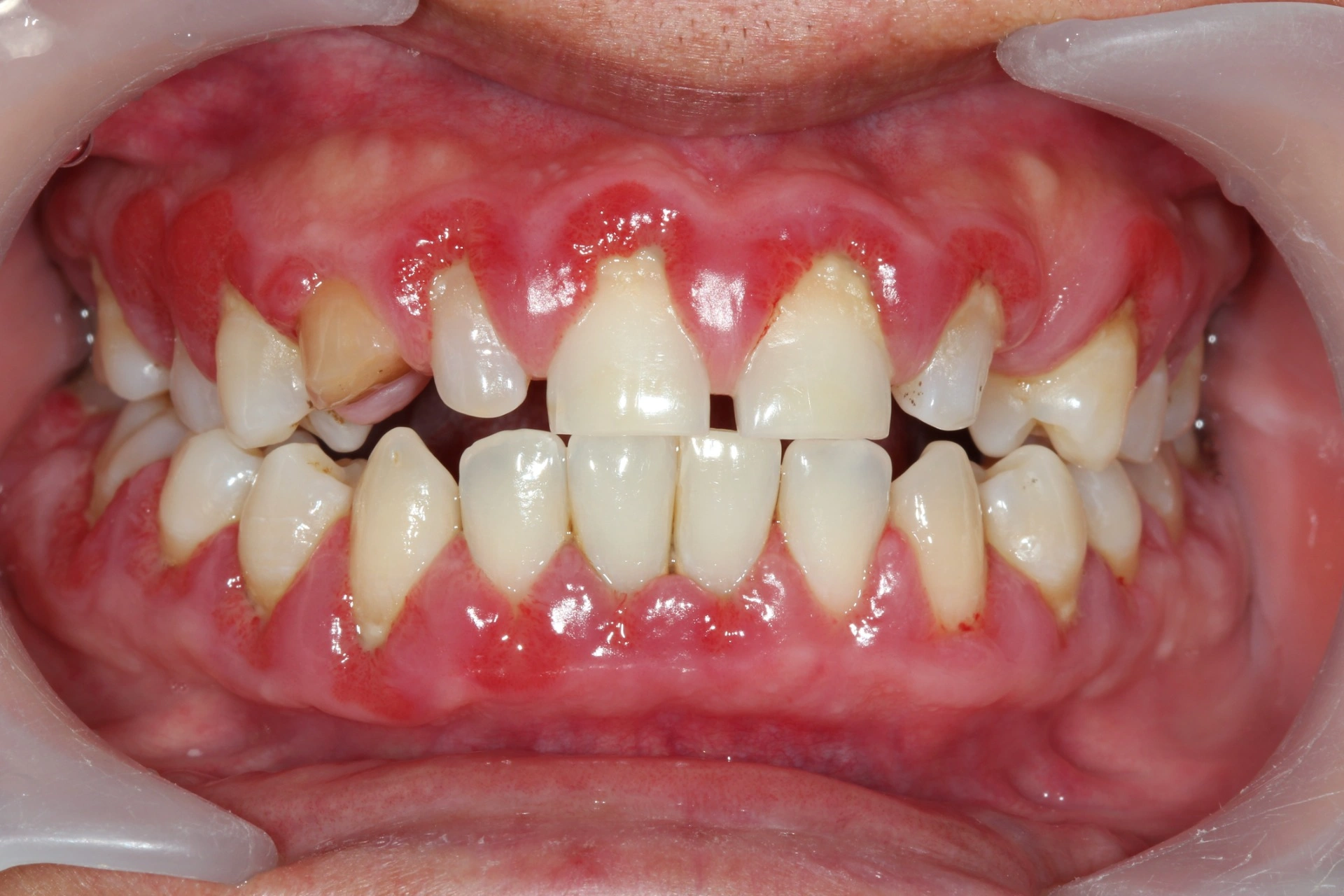
Gum disease develops in stages. The earliest stage, gingivitis, shows up as swollen, red, and bleeding gums. If left untreated, it can spread to the bones that support the teeth, making it painful to chew, and in the worst cases teeth may become loose or need to be removed.
Gingivitis vs. Periodontitis
| Gingivitis (Early) | Periodontitis (Advanced) | |
|---|---|---|
| What it is | Inflammation of the gums caused by plaque buildup | The infection has spread to the bone that supports the teeth |
| Signs | Red, swollen, tender, or easily bleeding gums | Gums pulling away from the teeth, loose or sensitive teeth, pain when chewing, and persistent bad breath |
| Can it be reversed? | Often, with daily brushing and flossing plus professional treatment | It can’t be reversed the way gingivitis can, but it can be managed and slowed with professional care |
| Typical treatment | A thorough professional cleaning and better daily home care | Deep cleaning (scaling and root planing), with surgery in advanced cases |
Causes and Risk Factors
NIDCR identifies smoking or using tobacco as the most significant risk factor for gum disease, and notes that tobacco use can also delay healing and make treatment less successful. Other risk factors include older age, diabetes, and genetics, and stress, certain illnesses, and hormonal changes are also associated with gum disease. If you smoke or manage a condition like diabetes, staying on top of your dental visits is especially important.
How Gum Disease Is Diagnosed
A dentist or dental hygienist uses several tests to diagnose gum disease. We also use advanced imaging and diagnostic technology to track how your gum health changes over time, so we can catch any progression early and adjust your treatment plan.
In a healthy mouth, the spaces (pockets) around the teeth usually measure between 1 and 3 millimeters, and deeper pockets can be a sign of gum disease.
How We Treat Gum Disease
The main goal of treatment is to control the infection, and the type of treatment depends on how far the disease has progressed. For gingivitis, a thorough professional cleaning combined with better daily brushing and flossing habits is often enough to reverse the inflammation and restore healthy gums.
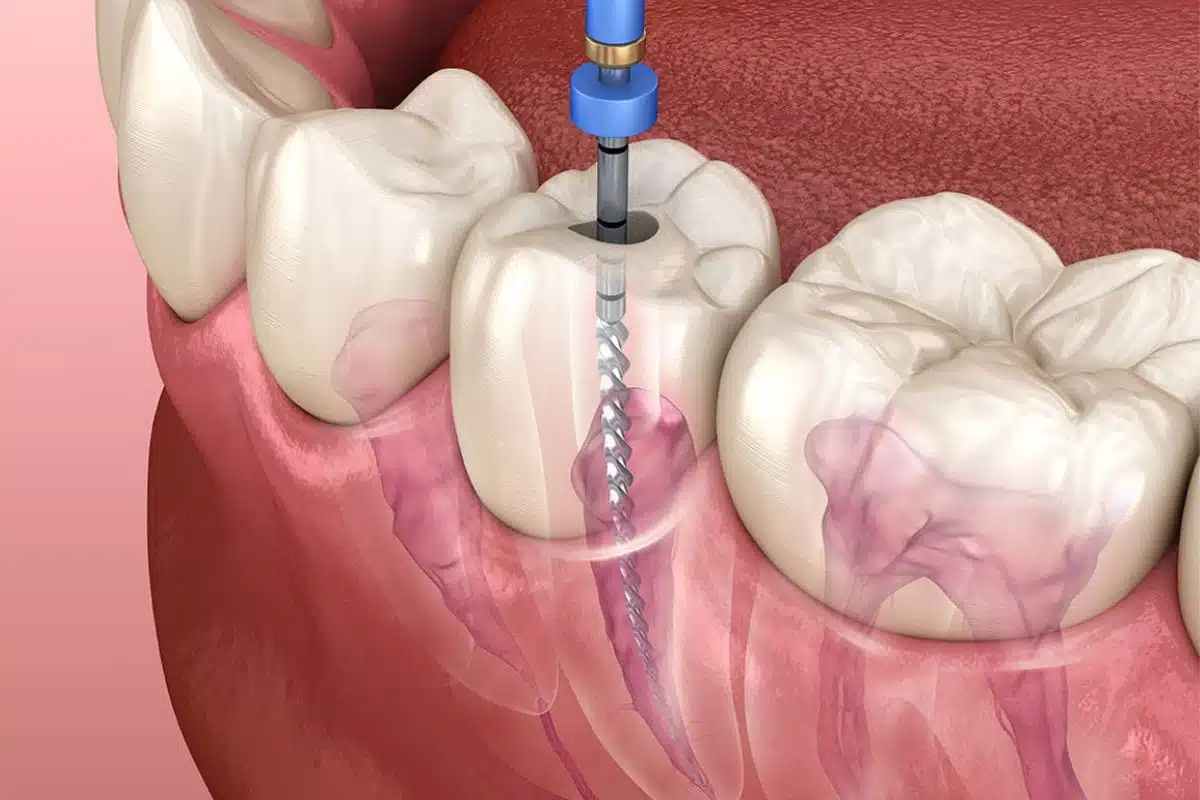
For early to moderate periodontitis, we often start with scaling and root planing, a deep cleaning that removes plaque and tartar from below the gumline and smooths the tooth roots, giving your gums a chance to heal. NIDCR notes that a dentist may also discuss how best to clean your teeth and gums, including prescribing an oral rinse.
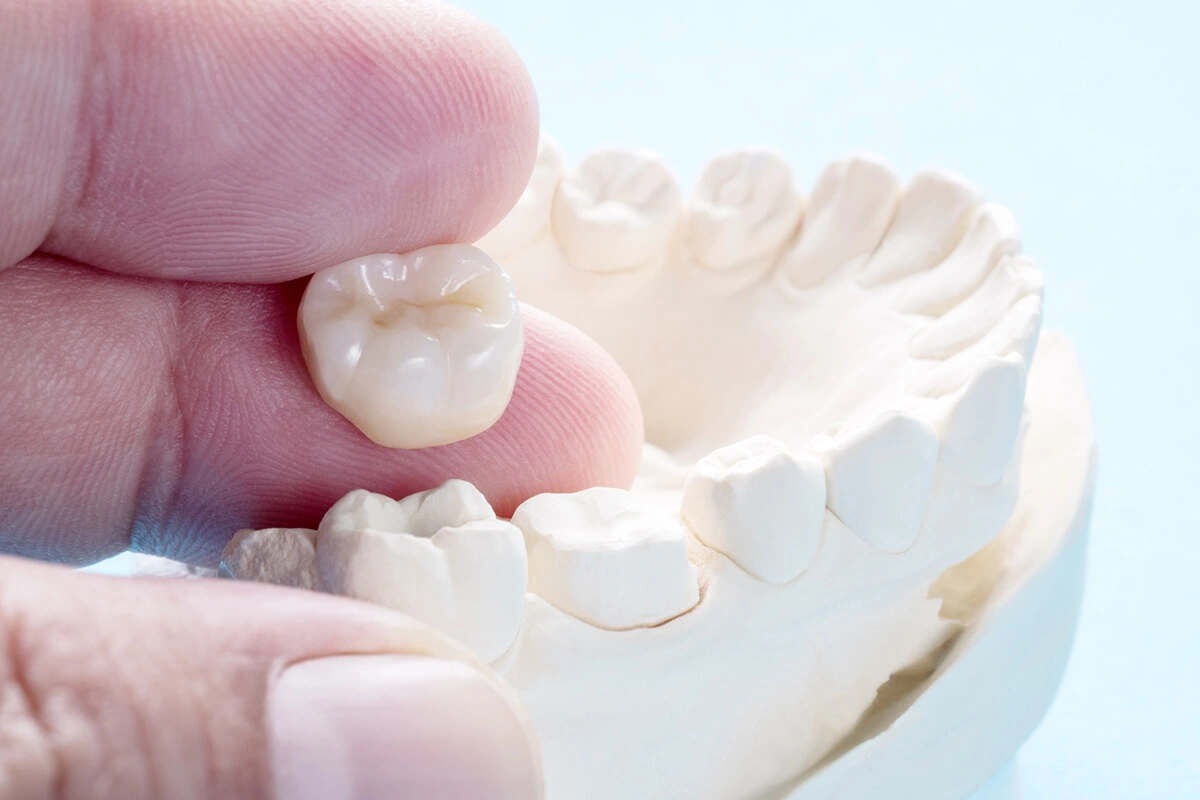
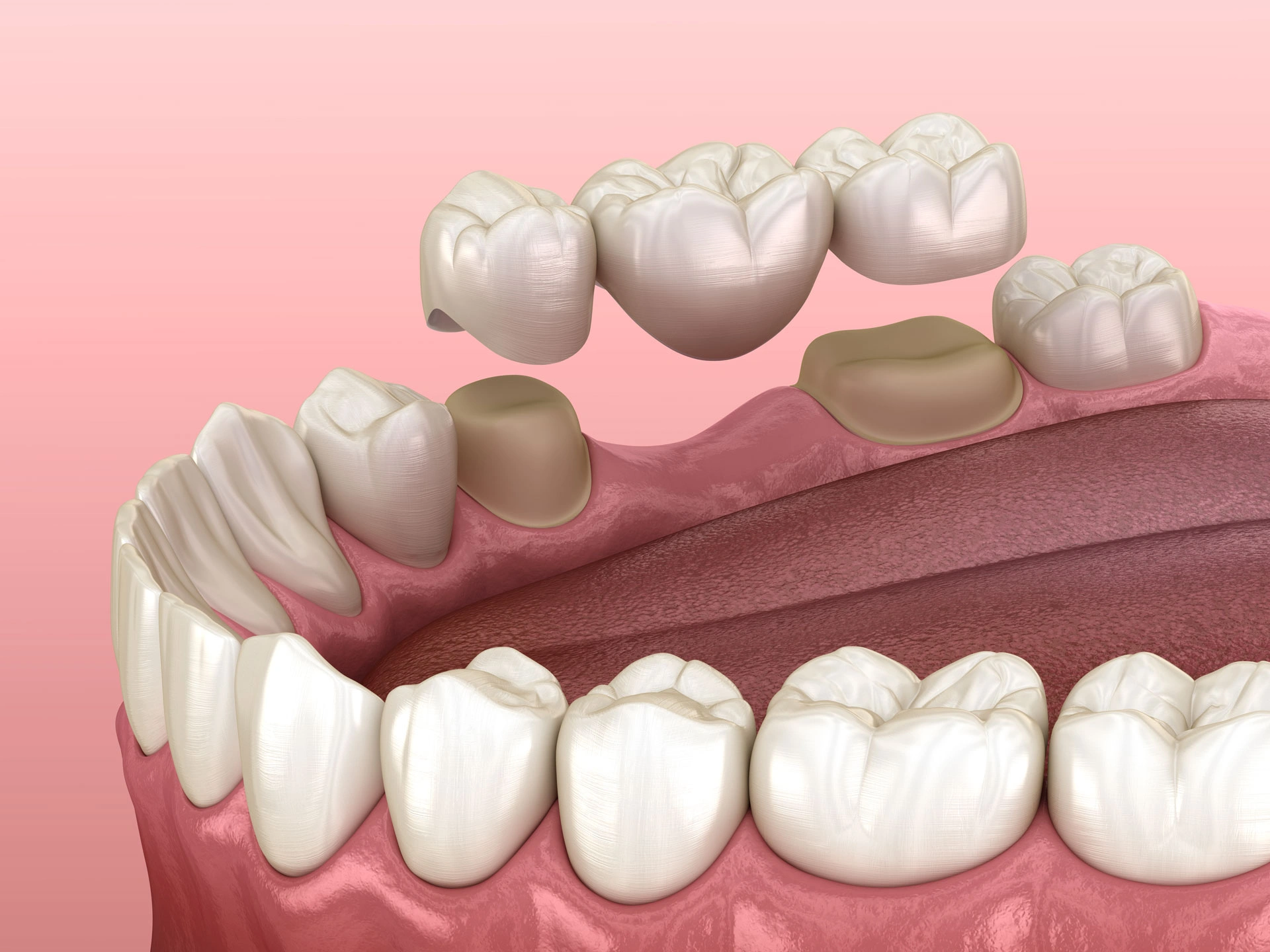
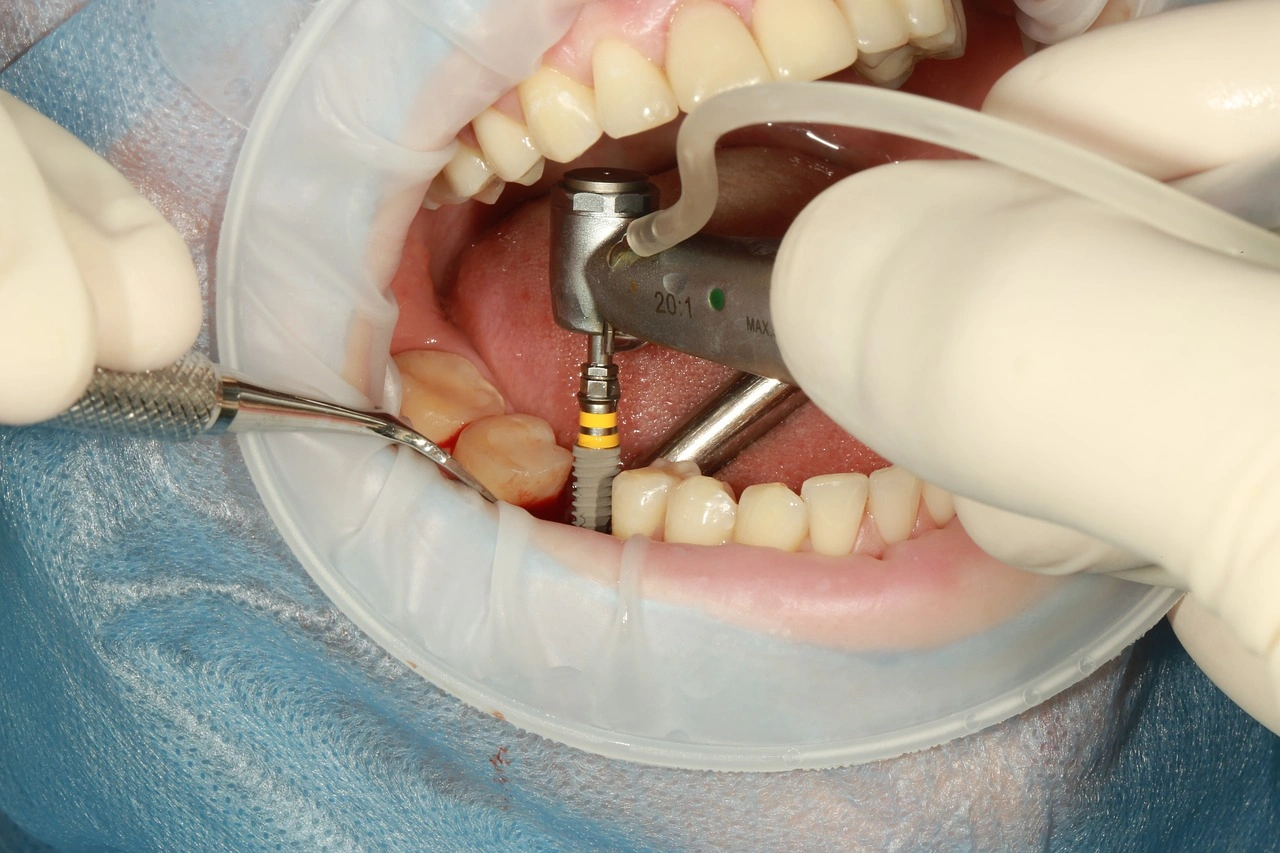
When periodontitis has advanced further, surgical treatment may be necessary. We offer periodontal surgery, gum grafting, and crown lengthening to help repair damaged tissue, and we also perform frenectomy procedures for patients whose gum or tissue attachments are contributing to periodontal problems. In cases where advanced gum disease has led to tooth loss or significant damage, we can discuss options such as crowns to help restore your bite once your gum health has stabilized. We walk you through exactly what to expect before moving forward with any procedure.
Preventing Gum Disease
The best defense is a consistent routine of home care paired with regular professional visits. NIDCR recommends brushing twice a day with a fluoride toothpaste, flossing regularly or using an interdental brush or water flosser recommended by a dental professional, visiting the dentist routinely for a check-up and professional cleanings and checkups, and quitting all forms of tobacco. Bringing up any changes in your gums, even occasional bleeding, gives us the chance to address small problems before they become bigger ones.
Gum Disease Treatment Cost, Insurance, and Financing
The cost of treatment depends on how far the disease has progressed and which procedures you need, and we’ll explain your investment before you move forward. SmileWorks accepts dental insurance, and we also offer financing through CareCredit and an in-house membership plan for patients without insurance.
Why Choose SmileWorks Dental for Gum Disease Care
Our team takes a family-oriented approach with every patient, and Dr. Daron Lind explains every stage of treatment clearly so you never feel confused or rushed through a visit. We also speak Spanish in our office. Because we handle everything from routine cleanings to periodontal surgery under one roof, you don’t have to be referred elsewhere just to complete your gum disease treatment. SmileWorks Dental has served Meridian and the greater Treasure Valley for more than 17 years.
Frequently Asked Questions About Gum Disease
Can gum disease be reversed?
What are the symptoms of gum disease?
What causes gum disease?
What is scaling and root planing?
Does smoking affect gum disease?
When is surgery needed for gum disease?
If you have noticed changes in your gums or it has been a while since your last checkup, schedule a consultation with Dr. Daron Lind and our team.