Losing even one tooth can throw off how you chew, speak, and smile, and the gap only grows more noticeable with time as neighboring teeth begin to shift out of place. A dental bridge closes that gap and restores your bite without the extended wait some other tooth replacement options require.
At SmileWorks Dental, we help Meridian patients replace missing teeth with bridges built to match their mouth, their budget, and their timeline. Whether you are missing one tooth or several in a row, we can walk you through which type of dental restoration makes the most sense for your situation.
What Is a Dental Bridge?
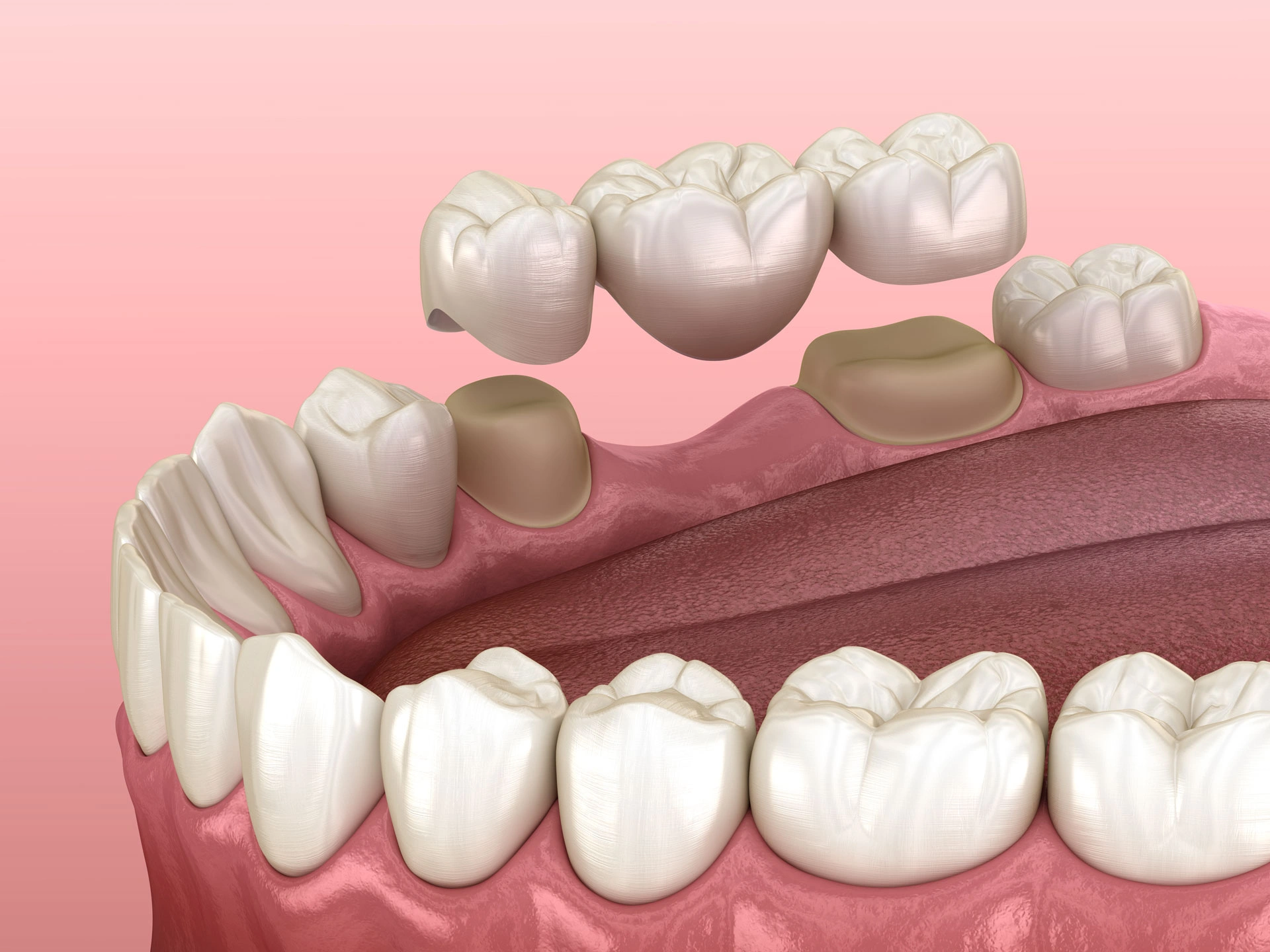
A dental bridge is a fixed prosthetic that fills the space left by one or more missing teeth. It gets its name because it literally bridges the gap between two points, using your remaining natural teeth or a dental implant as anchors on either side.
The false tooth in the middle, called a pontic, sits where your missing tooth used to be and restores full chewing function to that part of your mouth. Bridges are cemented or attached permanently, so you are not removing them at night the way you would with a denture, which makes them a good fit for patients who want a replacement tooth that feels and functions like a natural one every day.
Traditional Vs Implant-Supported Bridges
We offer two main approaches to fixed bridges, and the right one depends on the condition of your remaining teeth and how many teeth you are replacing.
Traditional Bridges
Traditional bridges rely on your existing natural teeth for support. We shape the teeth on either side of the gap, called abutment teeth, and cap them with crowns that anchor the bridge securely in place. This approach works well when the surrounding teeth are strong and healthy enough to bear the extra weight of the bridge, and it typically requires no surgical procedure.
Because a traditional bridge is anchored to teeth you already have, it is often the faster option in terms of treatment time. The tradeoff is that the abutment teeth must be reshaped to accept the crowns.
Implant-Supported Bridges
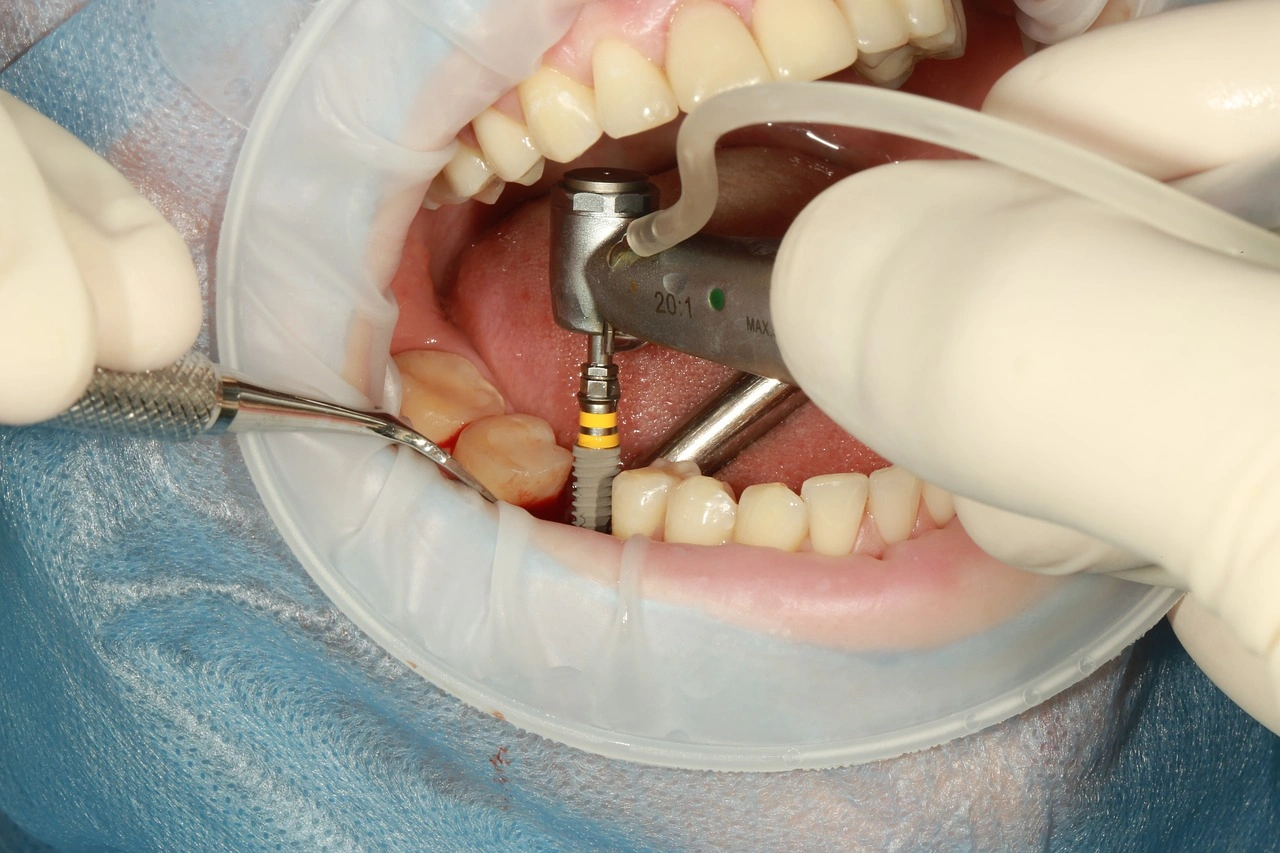
Implant-supported bridges use one or more dental implants instead of your natural teeth as the anchor points. A titanium implant post is placed in the jawbone, and once it heals, it holds the bridge securely without putting pressure on nearby teeth.
This option tends to last longer and helps preserve jawbone density, as the implant post stimulates the bone the same way a natural tooth root would. Patients missing several teeth in a row, or those who want to avoid altering healthy adjacent teeth, often lean toward the dental implants route for their bridge.
Why a Bridge May Be the Right Choice
A gap from a missing tooth does more than affect your smile. According to the Centers for Disease Control and Prevention, tooth loss can lead to poor diet, low self-esteem, difficulty speaking, and an overall lowered quality of life, which is why replacing a missing tooth sooner rather than later tends to produce the best results.
Bridges also help protect the rest of your smile. When a gap is left untreated, the surrounding teeth can drift out of place over time, throwing off your bite and making it harder to clean your teeth properly. A bridge holds everything in the correct position, which can help prevent the kind of misalignment that leads to more extensive work down the road, such as cosmetic crowns or additional restorative treatment.
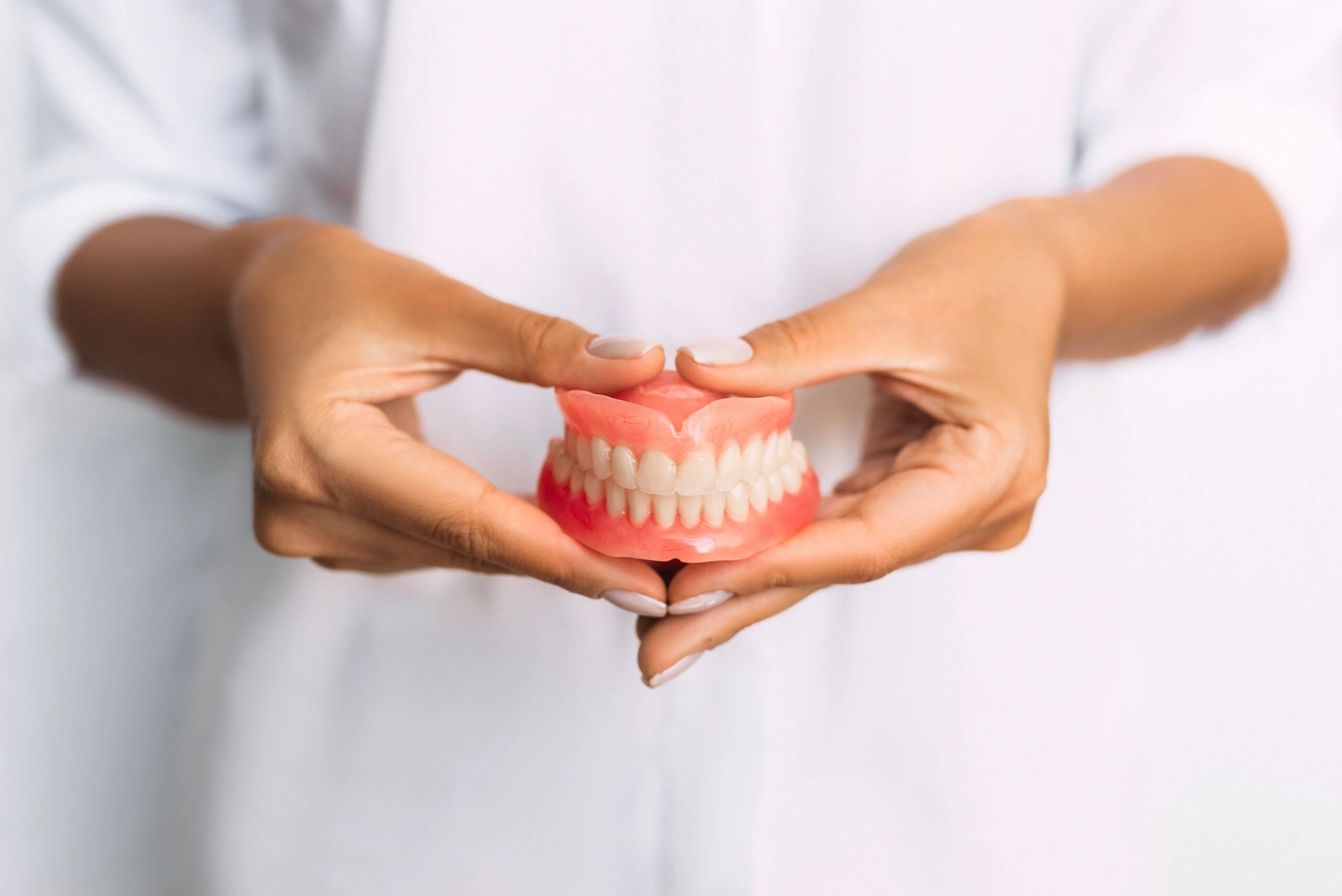
Compared to a removable partial denture, a fixed bridge does not require nightly cleaning routines or adhesives, and it stays firmly in place while you eat, speak, and smile.
What To Expect During Treatment
Getting a bridge at SmileWorks typically takes two visits. During the first visit, we prepare the abutment teeth or place the implant post, take precise impressions, and fit you with a temporary bridge so you are never left with a visible gap. Our lab then crafts your permanent bridge to match the shape, size, and shade of your natural teeth.
At your second visit, we remove the temporary and check the fit of your permanent bridge before cementing it into place. Most patients experience little to no discomfort, and any mild sensitivity typically fades within a few days. With proper care, including regular cleanings and checkups, a well-made bridge can last well over a decade.
Why Choose SmileWorks Dental for Your Bridge
Choosing where to get a dental bridge matters just as much as choosing the right type of bridge. Our team takes a family-oriented approach to every patient, and Dr. Daron Lind believes in explaining every option clearly so you always understand what we recommend and why. We also speak Spanish in our office, which many patients throughout the Treasure Valley have told us makes a real difference in feeling comfortable during treatment.
Because we handle everything from routine cleanings to dental implants under one roof, you never have to be referred out to a separate specialist just to complete your bridge. That means fewer consultation fees and a team that already knows your dental history.
Restore Your Bite With a Bridge From SmileWorks Dental
SmileWorks Dental has served Meridian and the greater Treasure Valley for more than 17 years, and Dr. Daron Lind built the practice on the idea that dentistry should feel personal rather than rushed. We take the time to explain every option clearly, including how traditional and implant-supported bridges compare for your specific mouth, so you always understand what we recommend and why.
We also make treatment more accessible through flexible payment options, including CareCredit financing and our in-house Smile Plan for patients without dental insurance. If a gap in your smile has been bothering you, our team is ready to help you explore whether a bridge is the right fit, and you can contact our office to schedule a consultation.