Dental Crowns in Meridian, ID
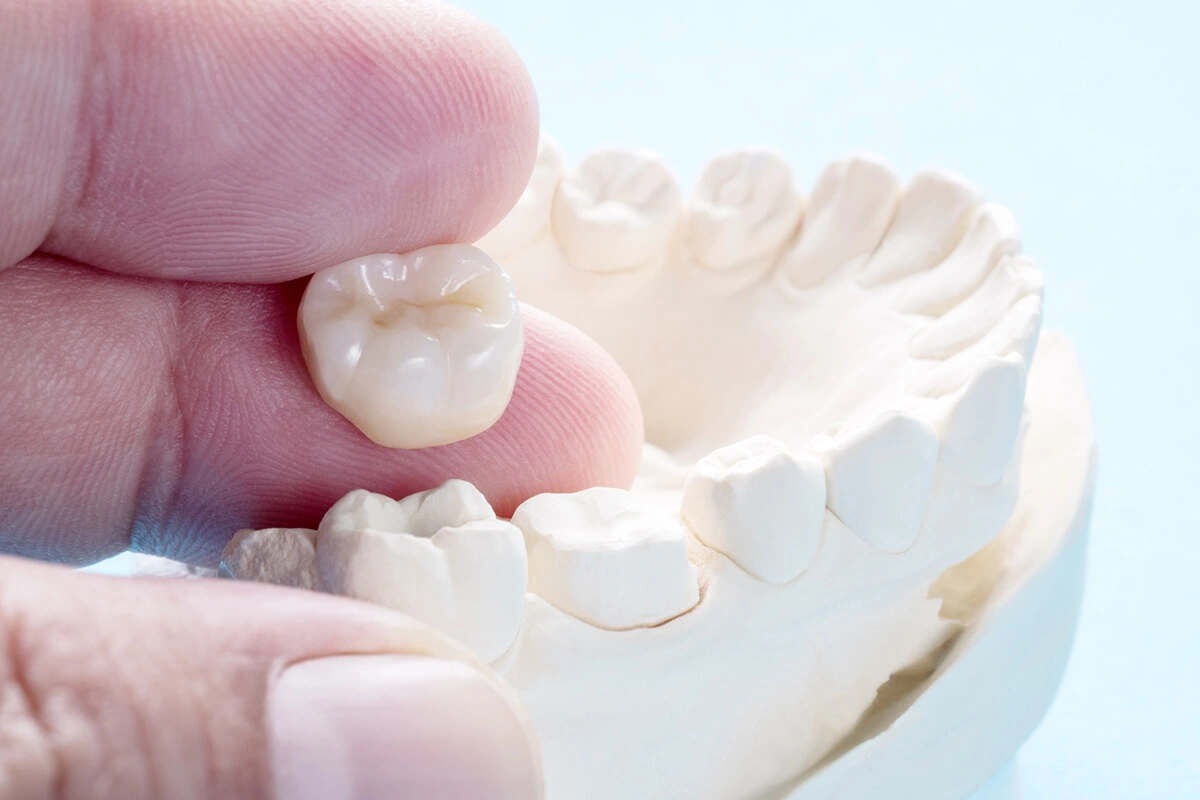
A cracked molar can turn a simple bite of food into a guessing game, and waiting often makes the damage worse. A dental crown is a custom-made cap that covers the tooth, restoring its strength, shape, and appearance so you can chew and smile with more confidence.
At SmileWorks Dental in Meridian, Idaho, Dr. Daron Lind opened our practice more than 17 years ago, and we handle your crown from start to finish in one office. Crowns are a key part of our restorative dental care, and we take the time to listen, explain each step, and keep you comfortable.
What Is a Dental Crown and When Might You Need One
A crown fits over the entire visible part of a tooth, much like a thimble fits over a fingertip. Dentists recommend one when a tooth needs more support than a filling can provide. You may be a candidate for a crown in these situations:
- Cracked or weakened teeth: A crown holds the tooth together and helps protect it from further damage.
- Large fillings or decay: A crown rebuilds the tooth when too little natural structure remains.
- Worn teeth: A crown restores height and shape lost to grinding or years of wear.
- Discolored or misshapen teeth: A crown improves the look of a tooth you feel self-conscious about.
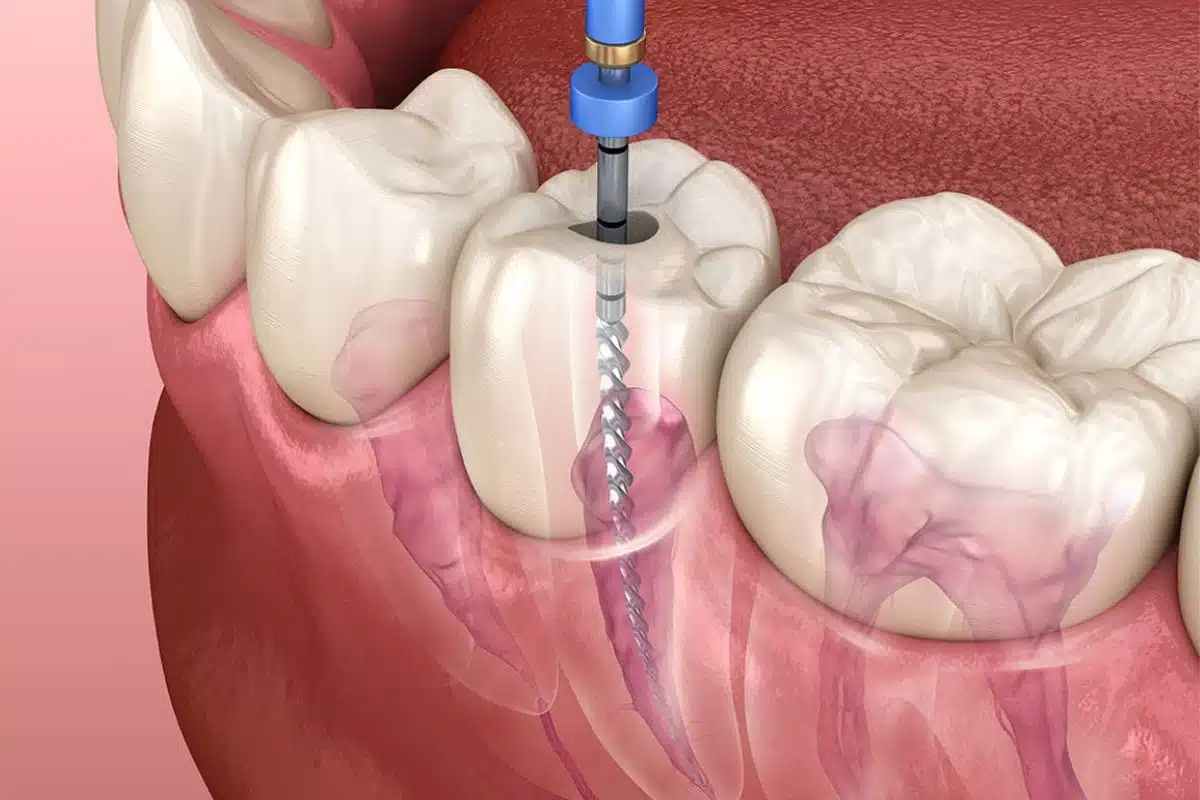
Dentists also place crowns after root canal therapy to help protect the treated tooth from fracturing. Crowns can be made from materials such as porcelain, ceramic, or metal alloys, and the best choice depends on where the tooth sits in your mouth and how you bite. For front teeth where appearance matters most, we may also talk with you about porcelain veneers as another way to improve your smile.
| Zirconia Crowns | All-Ceramic Crowns | |
|---|---|---|
| Appearance | Tooth-colored | Mimics the look of natural enamel more than any other crown type |
| Strength | Extremely durable and can withstand heavier forces than other ceramics | Made from several ceramic materials, including zirconia |
| Often chosen for | Teeth that need both strength and a natural look | Front teeth, visible areas, and patients with metal allergies |
What to Expect When You Get a Crown
Knowing the steps ahead of time can take much of the nervousness out of your visit, so here is what the process usually looks like.
Comfort Comes First
Many people avoid dental work because of anxiety, so we build comfort into every visit. We offer TVs on the ceilings and blankets, and Dr. Lind takes extra care to be gentle with injections, which many patients find the most stressful part of treatment. We also take time to learn what makes you uneasy and what helps you relax.
From Preparation to Final Fit
A typical crown visit starts with numbing the area, removing any decay, and reshaping the tooth so the crown fits well. Next, we take measurements of your tooth so the crown matches your bite and blends with neighboring teeth. Depending on your treatment plan, you may wear a temporary crown while the final one is made, and the fit and bite are checked before the final crown is placed.
Crowns on Dental Implants
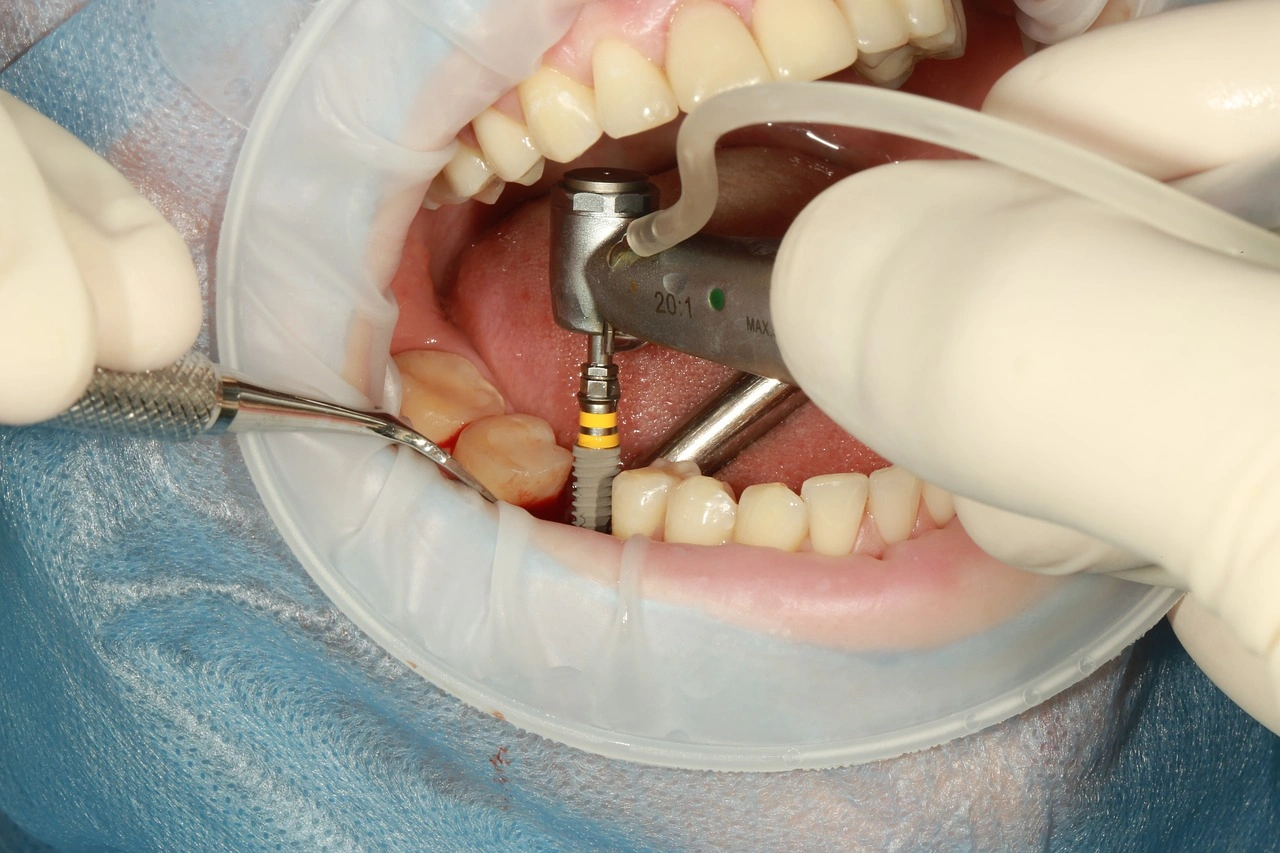
A dental implant replaces the root of a missing tooth with a small post placed in the jaw, and the crown is the visible part that sits on top. Your crown is shaped and shaded to blend with the teeth around it, so the finished result may look natural when you eat and smile.
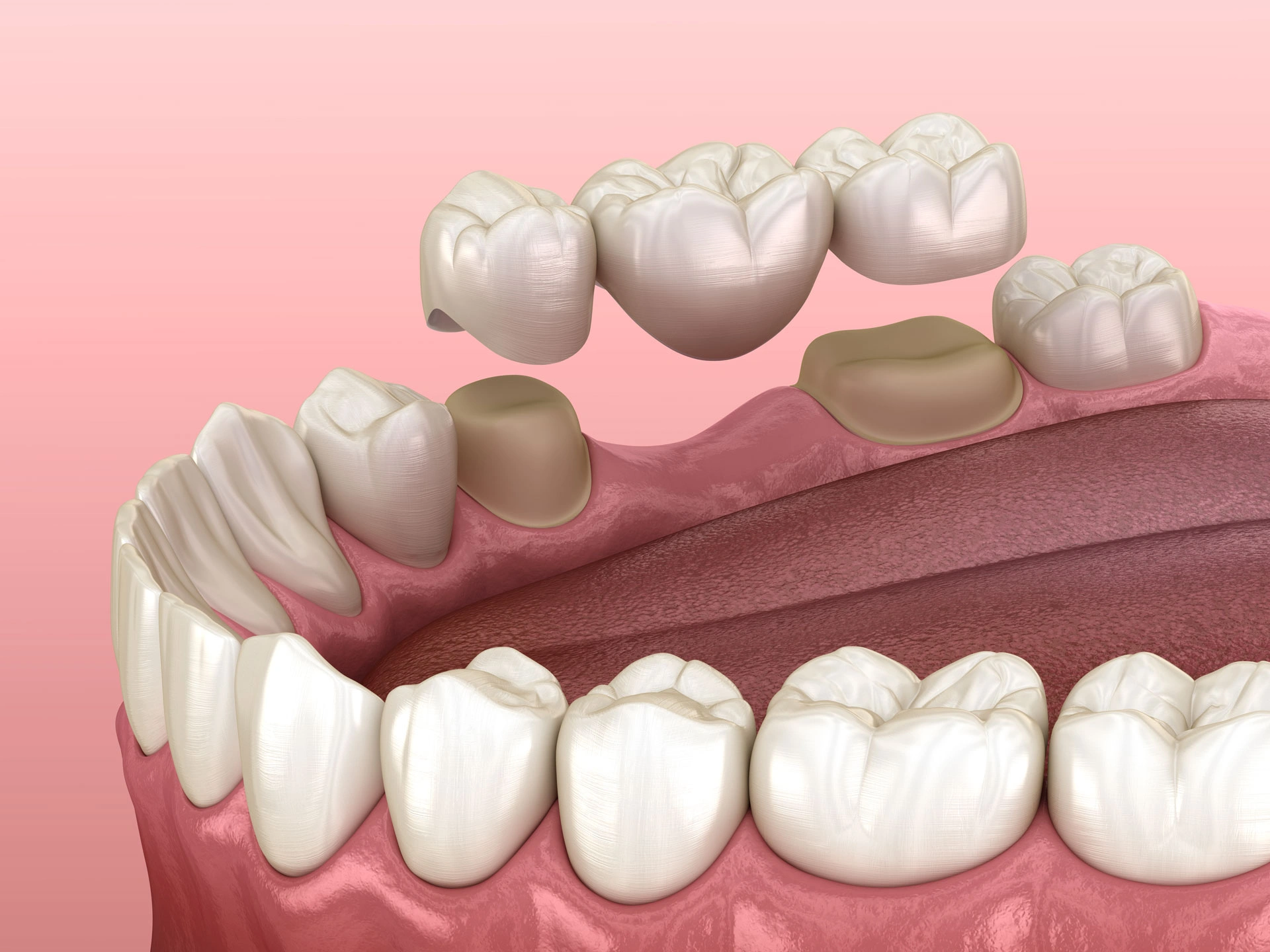
An implant crown attaches to a post instead of your natural tooth, so the crown itself cannot develop a cavity. The gums and bone around the implant still need daily brushing, flossing, and regular checkups. Because Dr. Lind performs implant and restorative care in our office, you work with one provider from start to finish. If an implant is not the right fit, a dental bridge may be another way to fill the gap.
How Long Dental Crowns Last
Crowns are built to last, but they do not last forever. A 2022 study in the European Journal of Oral Sciences followed more than 1,000 single crowns and found about 90 percent were still in place after five years and about 81 percent after ten.
The researchers also linked teeth grinding, crowns on front teeth, and crowns on teeth without a living nerve to a higher chance of failure. Brushing twice a day, flossing daily, and keeping up with cleanings and checkups may help your crown last longer, and you can tell us if you grind your teeth so we can talk about ways to protect your crown.
Why Choose SmileWorks Dental for Your Crown
We are a locally owned practice serving Meridian and the greater Treasure Valley, and many of our patients have been with us for years. Spanish is spoken in our office, and our team, led by Dr. Daron Lind, treats every patient the way we would want our own family treated.
We want cost to be one less thing to worry about. We accept most dental insurance plans, and we offer interest-free financing through CareCredit. If you do not have insurance, our in-house Smile Plan includes two exams, two cleanings, X-rays, a panoramic scan, and cancer screenings.
Frequently Asked Questions About Dental Crowns
How long do dental crowns last?
Is a dental cap the same as a crown?
Does getting a dental crown hurt?
Should I get a crown or a veneer?
What should I do if my crown comes loose or cracks?
Do I need a crown after a root canal?
Schedule Your Dental Crown Visit With SmileWorks Dental in Meridian
A damaged or worn tooth rarely heals on its own, and early care may help you avoid more extensive treatment later. From a single crown to full-mouth reconstruction, Dr. Daron Lind brings more than 17 years of experience to our patients, and our team is ready to explain your options in plain language.
If a tooth cracks or breaks, we offer same-day emergency appointments Monday through Thursday. To get started, contact our Meridian office and schedule your crown consultation today.