Dental Implants in Meridian, ID
Losing a tooth affects more than your smile. It can change how you chew, how your face looks over time, and how confident you feel in everyday moments. A dental implant replaces both the missing tooth and its root, giving you a stable, long-term way to restore function to that part of your mouth.
At SmileWorks Dental, Dr. Daron Lind places dental implants for Meridian patients missing one or more teeth, using a guided approach that maps out placement in advance. Whether you are replacing a single tooth or looking at implant-supported options for several missing teeth, we can walk you through which approach fits your situation as part of our dental restoration services.
What Is a Dental Implant?
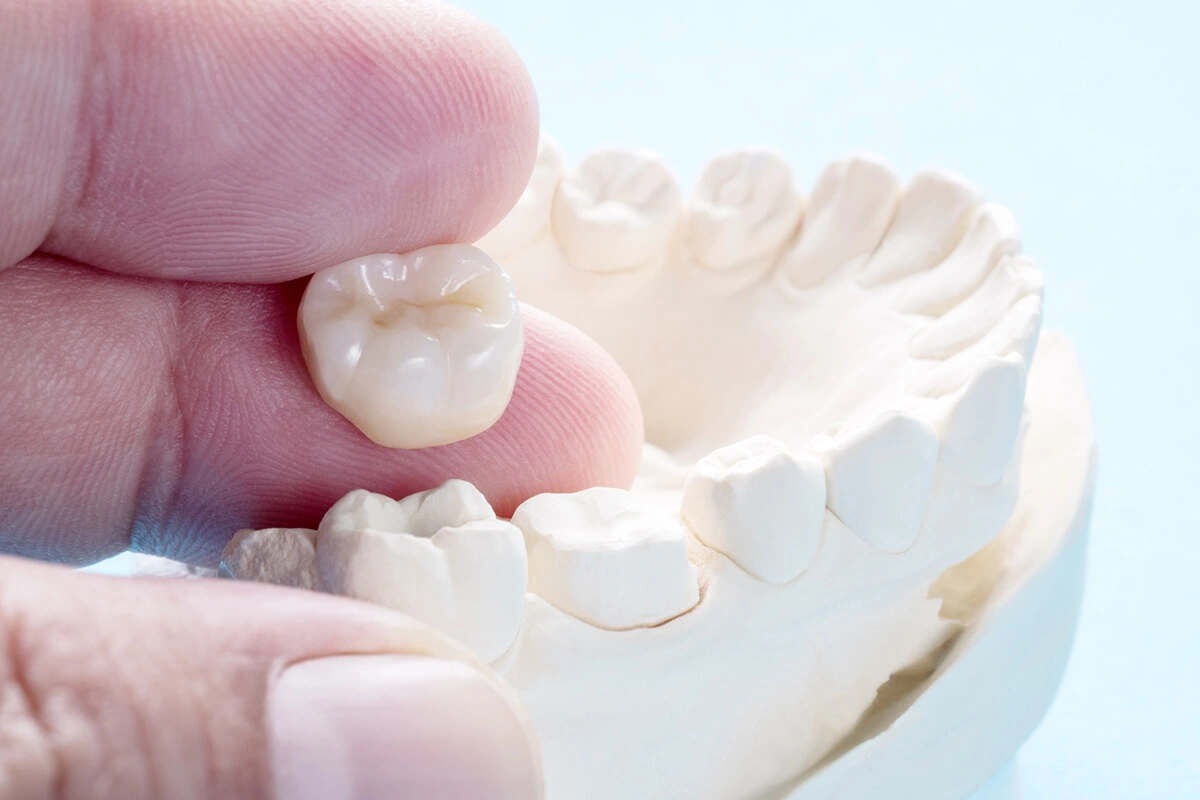
According to Cleveland Clinic, a dental implant has three main parts: a threaded post placed in the jawbone that acts like an artificial tooth root, a small connector called an abutment, and the restoration you see, such as a crown, bridge, or implant-supported denture. Most implants are titanium, though some are ceramic.
Once the implant heals and fuses with the bone, it becomes a stable foundation for the replacement tooth. Cleveland Clinic notes that implants help preserve the jawbone, which can prevent the sunken look that develops when the bone shrinks after tooth loss, and that they don’t require enamel removal on neighboring teeth the way a bridge does.
Types of Dental Implants We Offer
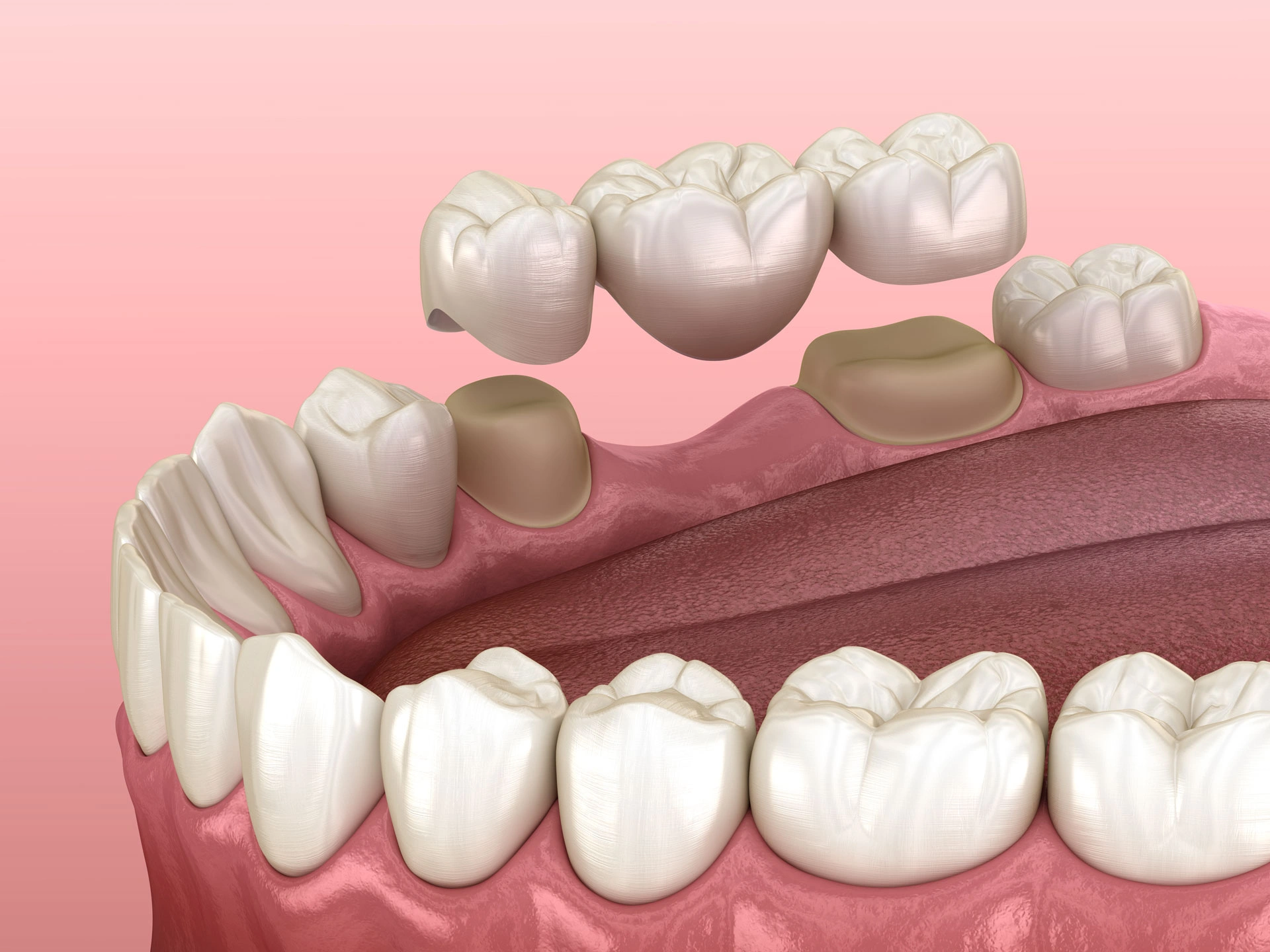
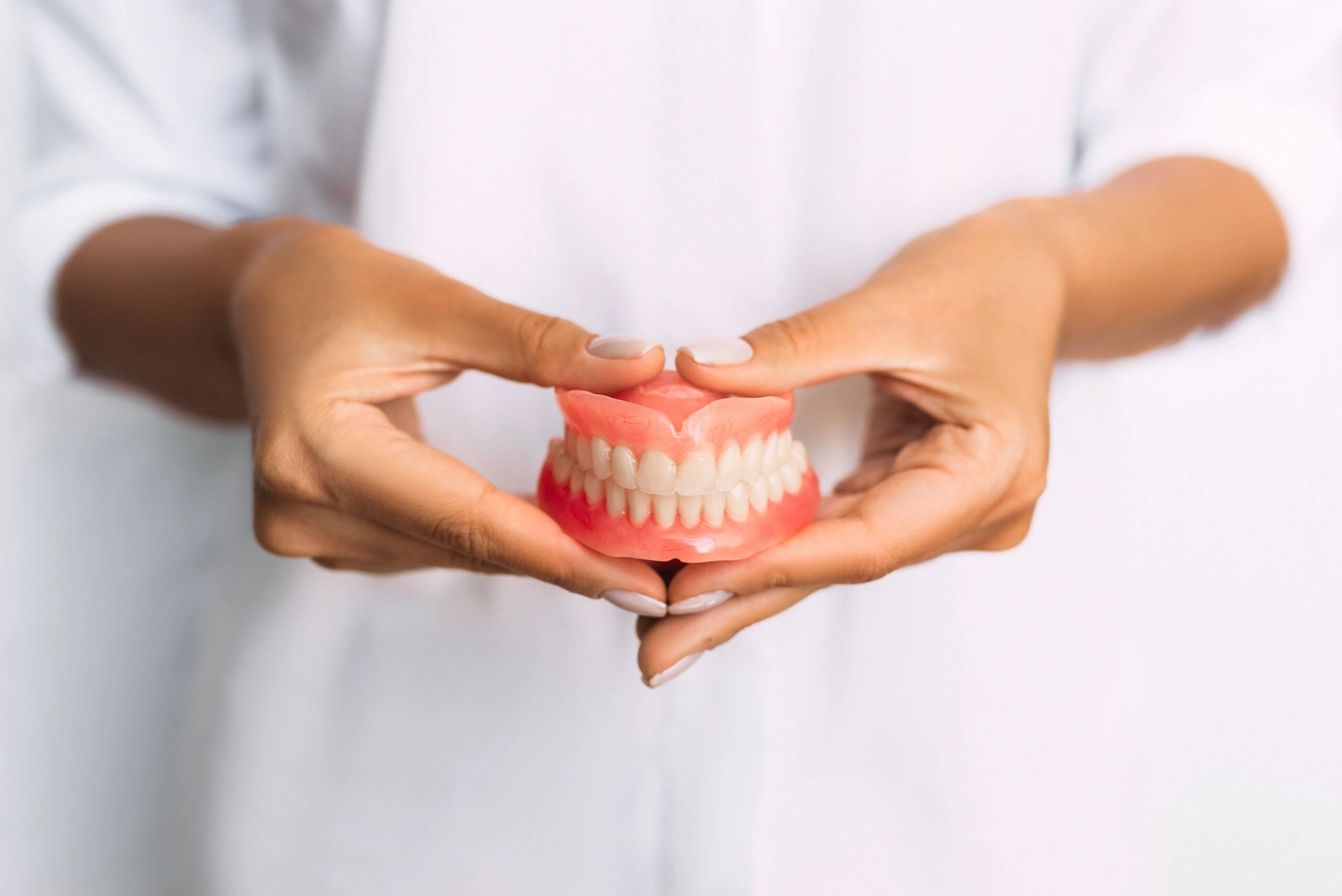
The right type of implant depends on how many teeth you are replacing and the condition of your jawbone. At SmileWorks, our options include single-tooth implants, which replace one missing tooth with an implant and crown without involving the teeth on either side, and implant-supported dentures, which anchor a full or partial denture to implants for a more secure fit. We also offer mini implants, a smaller-diameter option that can be useful in certain cases where bone volume is limited, and bone grafting, which builds up the jawbone first when there isn’t enough bone to support an implant.
We evaluate your jawbone, gum health, and the number of teeth you are replacing to determine which option makes the most sense for you.
Dental Implants vs. Bridges vs. Dentures
If you currently wear a bridge or denture that no longer feels secure, or you are comparing your options, here is how the three approaches generally differ, based on Cleveland Clinic’s guidance:
| Dental Implant | Bridge | Traditional Denture | |
|---|---|---|---|
| How it stays in place | A threaded post anchored in the jawbone | Crowns bonded to the natural teeth on either side of the gap | Rests on the gums |
| Neighboring teeth | Not involved, so no enamel removal | Teeth beside the gap are reshaped, which removes enamel | Not applicable to a full denture |
| Jawbone | Helps preserve the jawbone | Does not replace the tooth root | Does not replace the tooth roots |
| How long it lasts | The implant can often last a lifetime with care, though the crown on top may need replacing | Averages 5 to 15 years | Most last at least 7 years |
How the Dental Implant Process Works
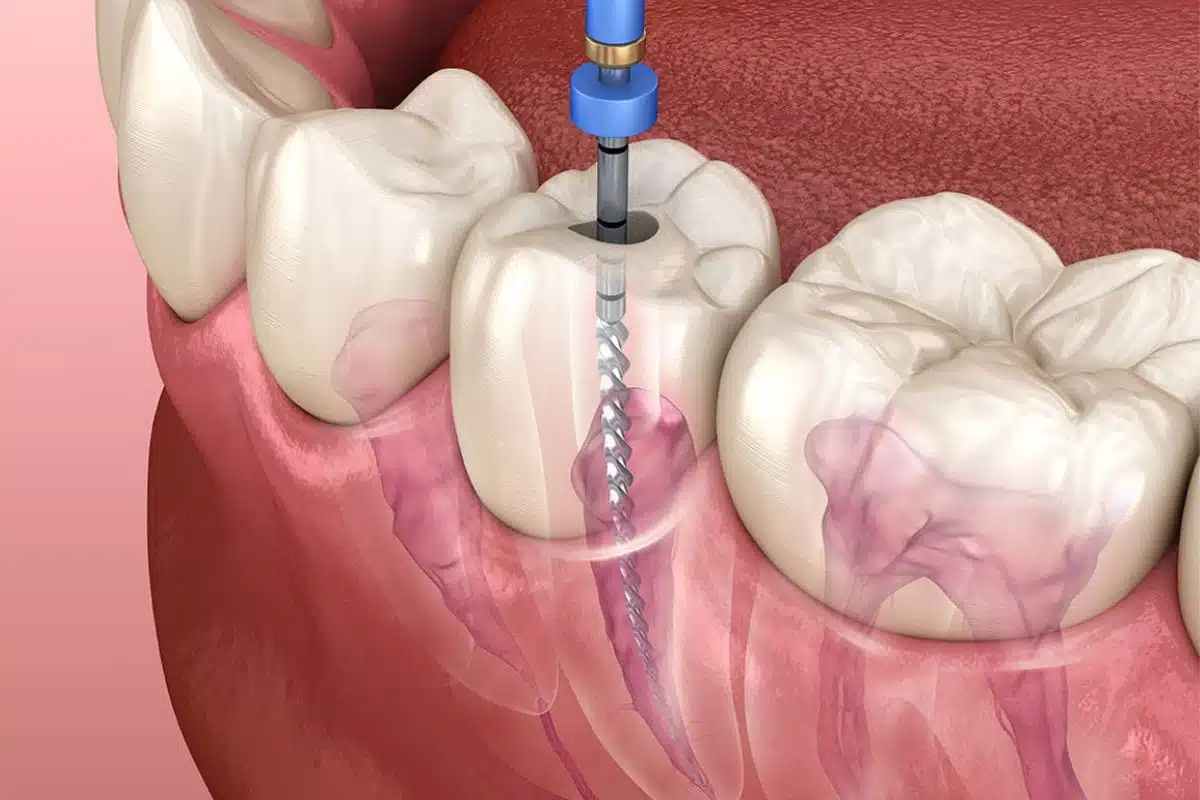
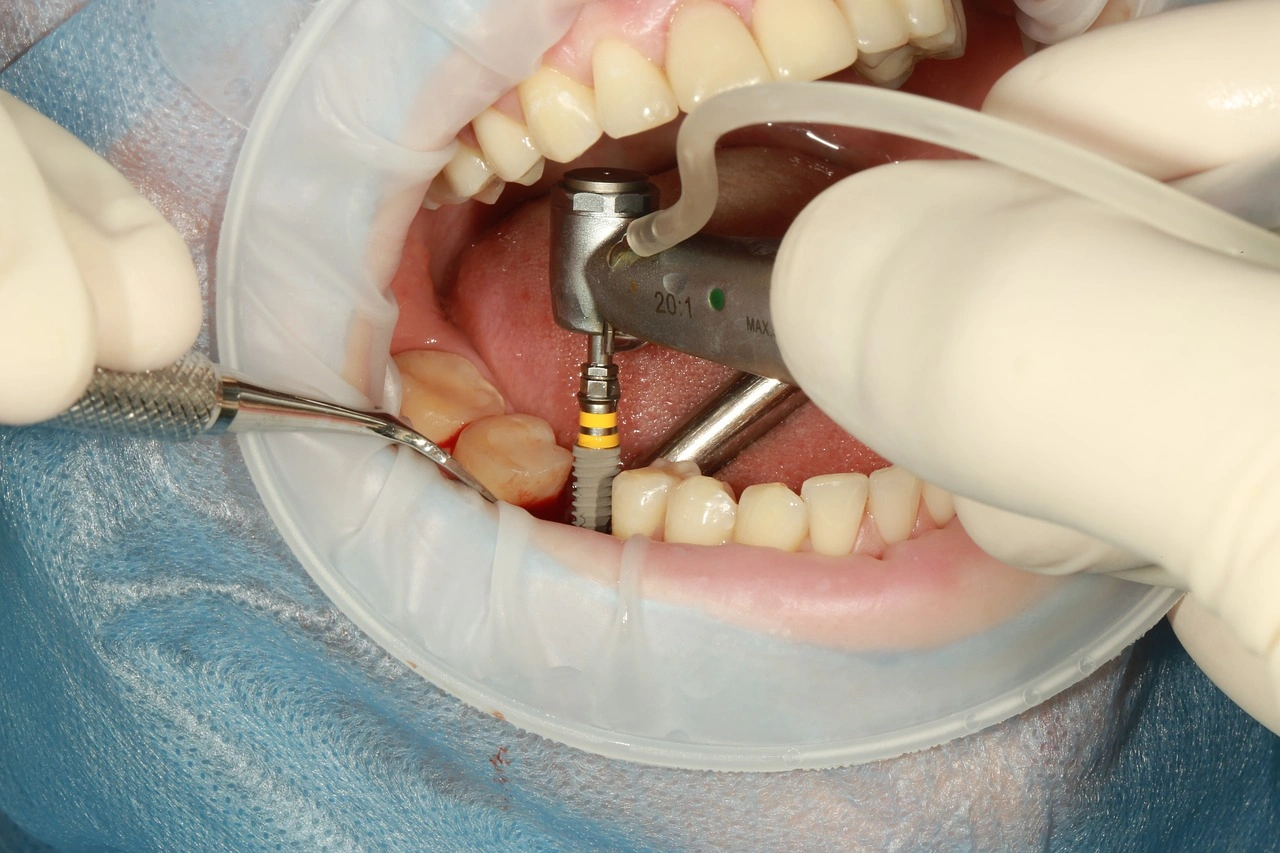
Because placement is mapped out in advance, many patients need only a small tissue punch rather than a larger surgical opening. If a tooth needs to be removed first, we can often handle the extraction and implant placement as part of a coordinated treatment plan, so you are not left waiting between separate procedures. Cleveland Clinic adds that if an implant is near the front of the mouth, a temporary tooth is often made so you don’t have a gap while you heal.
Are You a Good Candidate for Dental Implants?
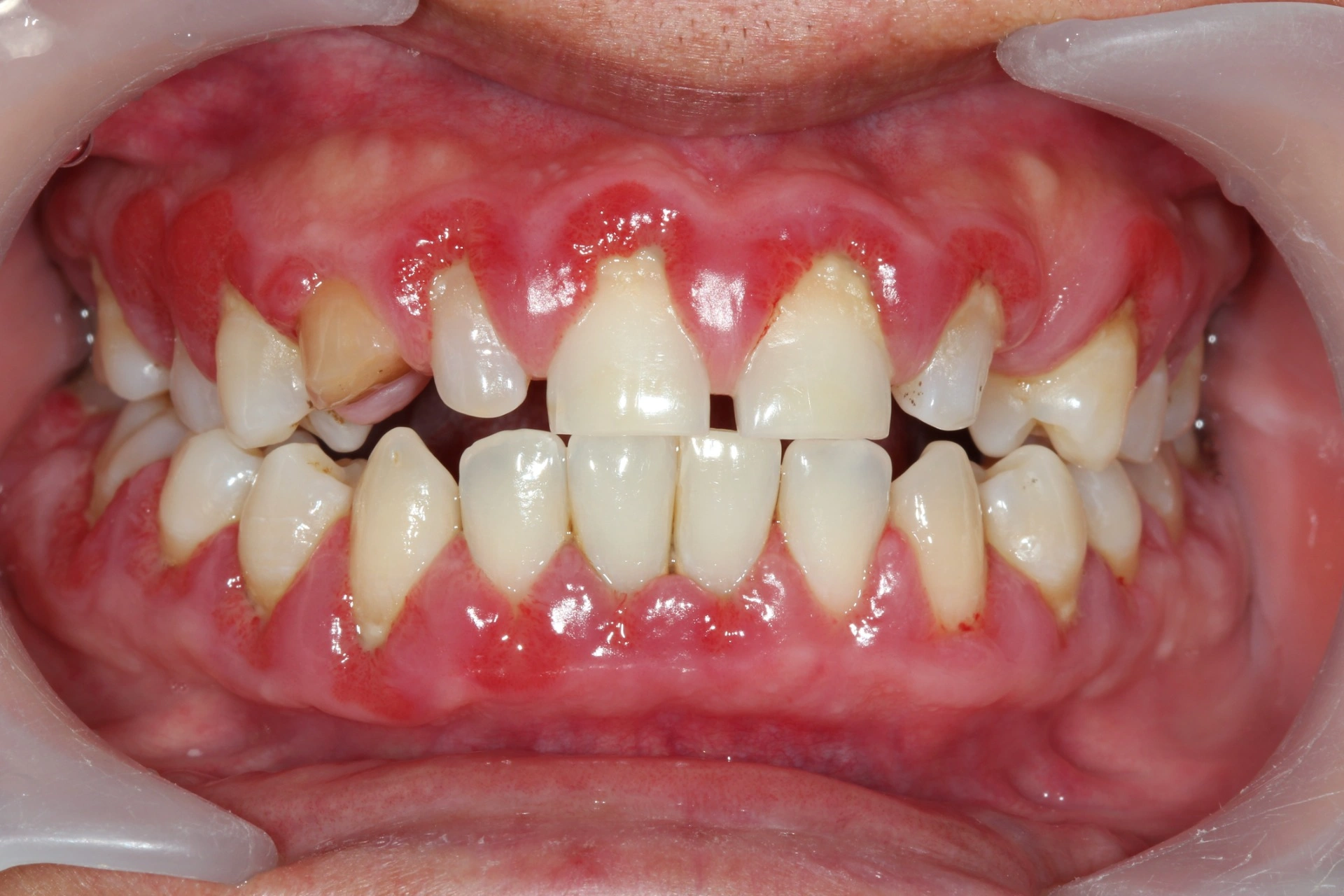
The main requirement is enough healthy jawbone for the implant to hold. When there isn’t, bone grafting can build up the area first. Cleveland Clinic lists active or untreated gum disease, extensive tooth decay, poor oral hygiene, severe jawbone loss, and unmanaged diabetes as reasons implants may not be a good idea, and notes that smoking or vaping can disrupt healing. The minimum age is typically 18, and there is no upper limit.
Every case is different, so we evaluate your specific situation rather than assuming implants are or are not right for you before you come in.
Recovery and Aftercare
Recovery varies with the number of implants placed and whether bone grafting was needed. Cleveland Clinic says the first round of healing takes about a week, though the jawbone takes three to nine months to fully fuse around the implant, and it’s normal to have slight discomfort and swelling after surgery.
Implants need the same care as natural teeth: brushing, flossing, and regular cleanings and checkups. Call your dentist if you notice a loose or wobbly implant, bleeding or swollen gums, fever, or pus around the implant.
Dental Implant Cost, Insurance, and Financing
The cost of dental implants depends on how many teeth you’re replacing, whether bone grafting is needed, and the restoration you choose, and we’ll explain your investment at your consultation. SmileWorks accepts dental insurance, and we also offer financing through CareCredit and an in-house membership plan for patients without insurance.
Why Choose SmileWorks Dental for Dental Implants
Dr. Daron Lind explains why he is recommending a particular implant option for your situation, and our team speaks Spanish in our office. Because we handle everything from extractions to crowns and implants under one roof, you don’t have to juggle multiple offices to complete your treatment. For more than 17 years, SmileWorks Dental has served Meridian and the greater Treasure Valley.
Frequently Asked Questions About Dental Implants
How long do dental implants last?
How long does it take to get a dental implant?
Is getting a dental implant painful?
Can I get implants if I don’t have enough jawbone?
Who shouldn’t get dental implants?
Do you offer financing for dental implants?
If you’re ready to talk about dental implants in Meridian, ID, schedule a consultation with Dr. Daron Lind and our team.