Dental Crowns in Meridian, ID
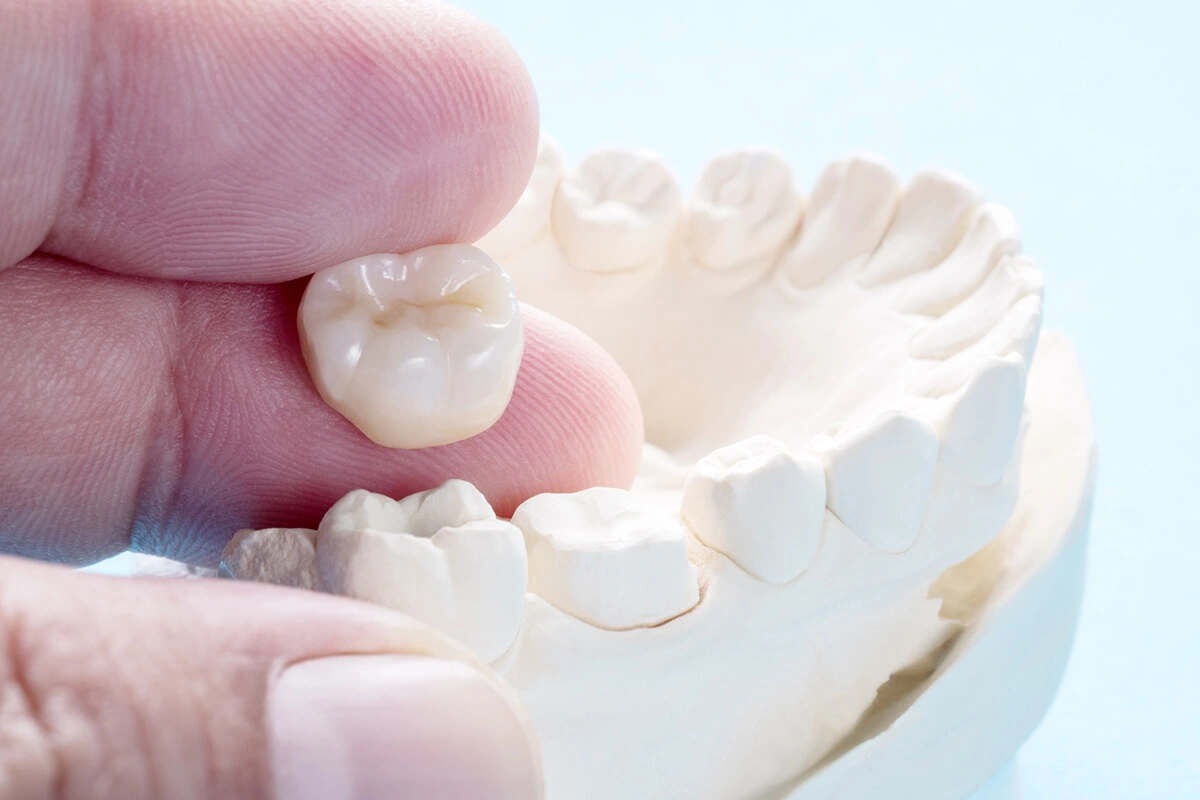
A dental crown is a tooth-shaped cap that fits over an entire tooth to restore its strength, shape, and appearance. Dentists use crowns for teeth that are weak, cracked, broken, worn down, or decayed, and to protect a tooth after a root canal.
At SmileWorks Dental, we provide dental crowns in Meridian, ID as part of our dental restoration services, from crowns for molars to replacing an old crown that no longer fits well. For 17 years, Dr. Daron Lind has served patients across Meridian, Boise, Kuna, and Nampa.
Every crown begins with an evaluation using Panorex digital x-rays and intraoral cameras, so we can show you what we see and explain your options clearly before any treatment begins.
When Do You Need a Dental Crown?
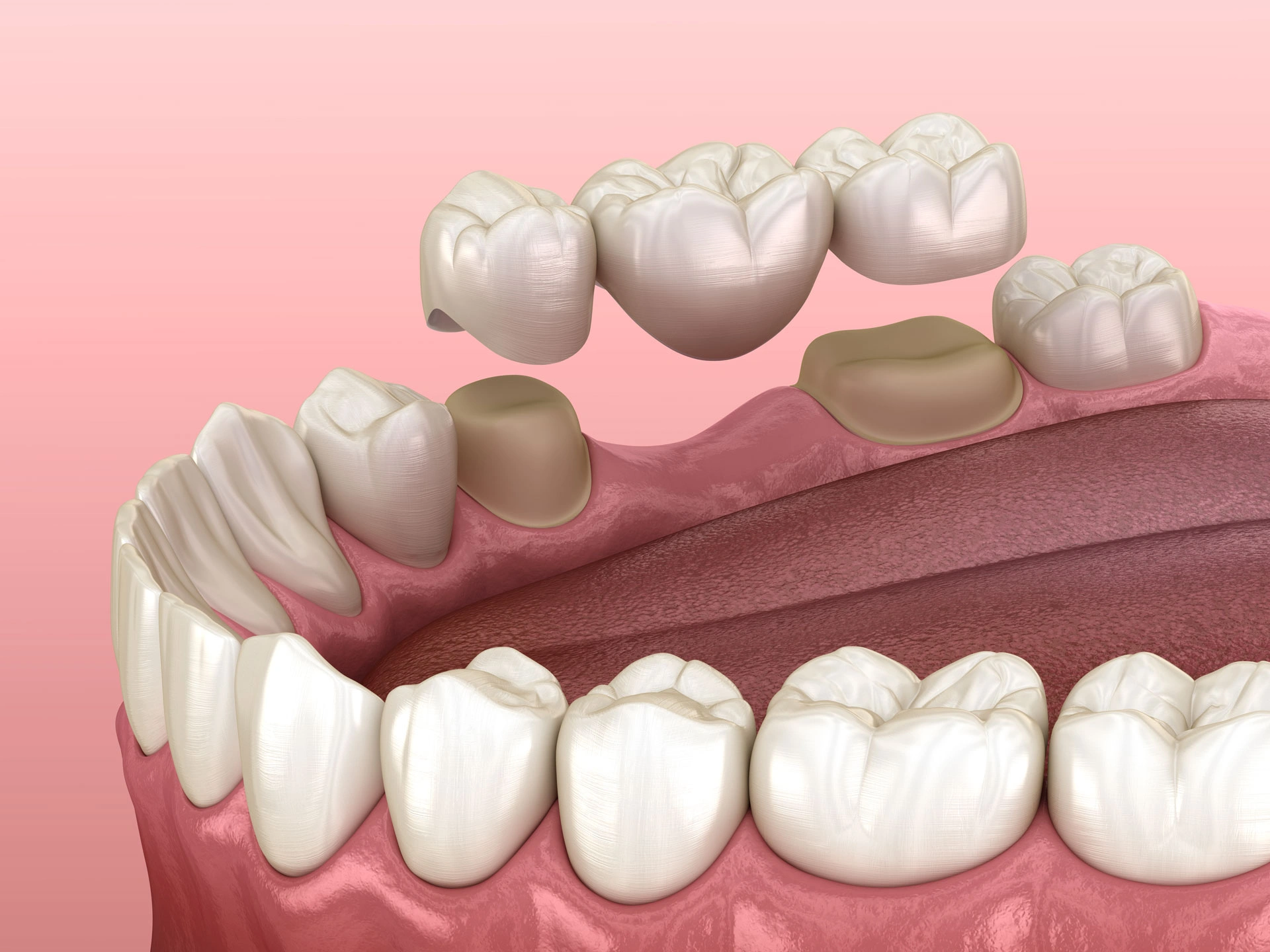
According to Cleveland Clinic, a crown can strengthen a weak tooth, protect and support a cracked tooth, restore a worn-down or broken tooth, cover a severely stained tooth, and cover a tooth that has had a root canal. Crowns are also used to hold a dental bridge in place or to cover a dental implant.
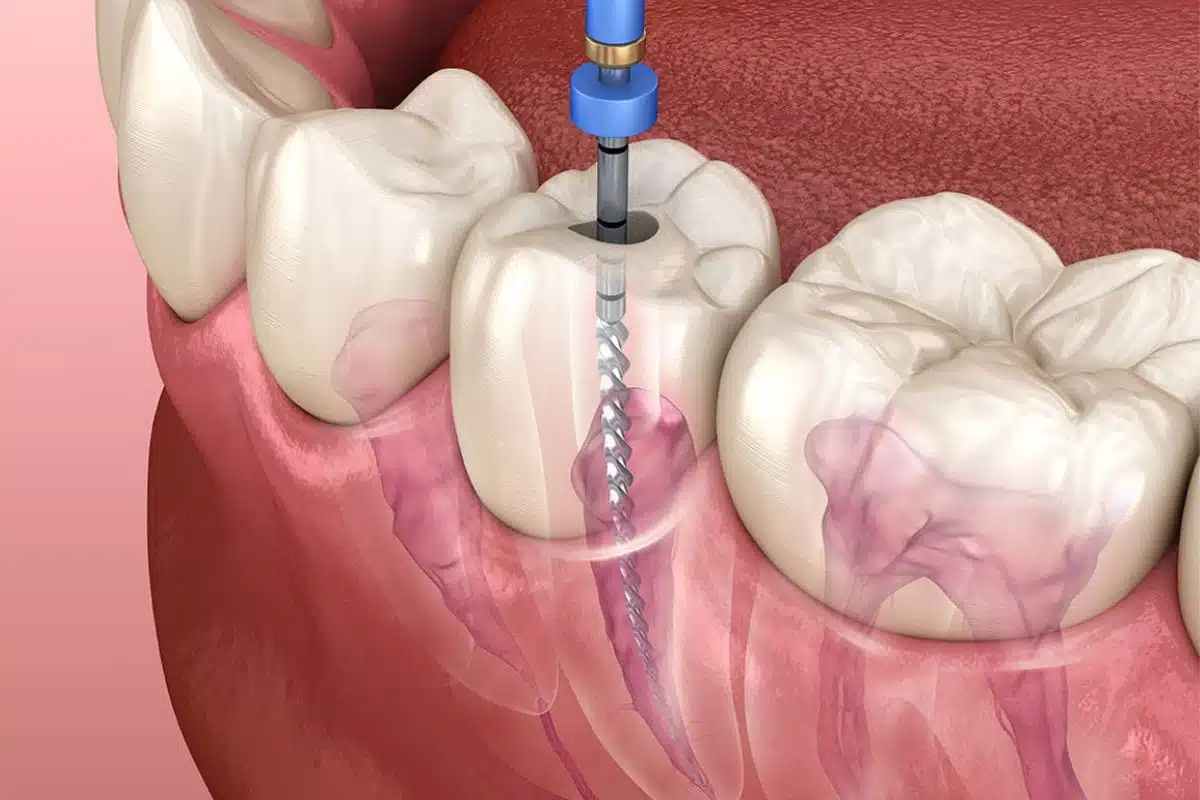
Back teeth take the most force when you chew, so cracks, decay, and failed fillings in molars can quickly affect daily life. Without treatment, a damaged molar can lead to infection, severe pain, shifting teeth, and tooth loss. A crown is often placed after root canal therapy to protect the treated tooth, and a crown can also anchor a dental bridge or cover a dental implant.
Dental Crown Materials: Gold, Zirconia, and All-Ceramic
The right material depends on where the tooth is and what you want from the result. We offer gold crowns for back teeth where durability under heavy chewing force is the priority, and all-ceramic and zirconia crowns where appearance matters most.
| Gold Crowns | Zirconia Crowns | All-Ceramic Crowns | |
|---|---|---|---|
| Appearance | Metallic color | Tooth-colored | Mimics the look of natural enamel more than any other crown type |
| Strength | Rarely chips or breaks and lasts the longest in terms of wear | Extremely durable and can withstand heavier forces than other ceramics | Made from several ceramic materials, including zirconia |
| Often chosen for | Out-of-sight molars | Teeth that need both strength and a natural look | Front teeth, visible areas, and patients with metal allergies |
Dr. Lind takes impressions and shade measurements carefully so a crown placed in a visible area blends with the teeth around it. Cleveland Clinic notes that zirconia is also gentle on the opposing teeth, which means less enamel wear.
Crowns for Front Teeth and Cosmetic Concerns
Not every crown repairs a damaged molar. Some patients have a front tooth that has darkened from old restorations, trauma, or internal staining that whitening cannot reach. Others have a tooth with an irregular shape or a visible chip. A crown covers the visible surface of the tooth and can create a uniform result that blends with the surrounding teeth.
If your concerns are mainly cosmetic, porcelain veneers may be an alternative. Cleveland Clinic describes veneers as cosmetic and crowns as restorative: a veneer covers the front surface of a tooth, while a crown fits over the entire tooth to improve its health, and it can improve appearance too.
What to Expect When Getting a Crown
Cleveland Clinic notes that crown placement usually takes two appointments, and that some dentists offer same-day crowns using CAD/CAM technology, which aren’t right for everyone. We’ll explain the timeline for your crown at your consultation. It’s normal to have some sensitivity for a couple of weeks, especially to heat and cold, and some tenderness in the gums for a few days.
Replacing, Repairing, and Emergency Crowns
If you have an old crown that feels loose, looks worn, or no longer matches your teeth, crown replacement may be the answer. We evaluate the tooth underneath, address underlying issues like decay or gum recession, and design a new crown to fit. Cleveland Clinic suggests calling your dentist if you notice a loose crown, cracks or chips, sharp edges, or bad breath or a bad taste.
If your crown has cracked, chipped, or come loose, repair may be possible depending on the extent of the damage and the condition of the tooth underneath. Minor damage can sometimes be repaired, while other cases call for a full replacement. We’ll assess the damage honestly and explain your options.
When a tooth breaks and causes severe pain, waiting isn’t ideal. If you need an emergency dental crown, we offer same-day appointments Monday through Thursday, and we work to place a temporary or permanent crown as quickly as possible.
Caring for Your Dental Crown
A crown protects the tooth, but the tooth underneath still needs care. Brush at least twice a day with fluoride toothpaste and a soft-bristled toothbrush, floss daily, and keep up with regular cleanings and checkups. Cleveland Clinic also advises avoiding ice, extremely hard nuts, popcorn kernels, and very sticky foods like taffy, which can damage or dislodge a crown.
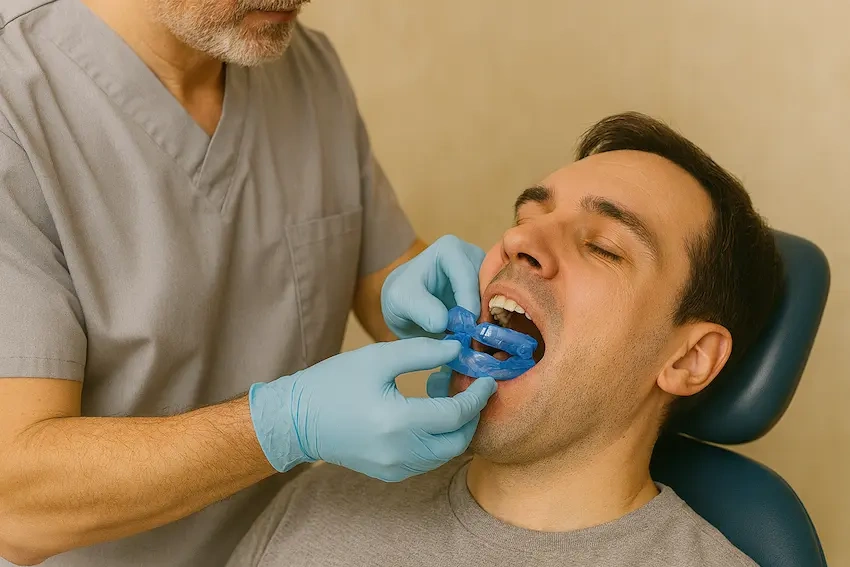
If you grind or clench your teeth, ask about a custom mouthguard to help protect your crown and the teeth around it.
Dental Crown Cost, Insurance, and Financing
The cost of a crown depends on the material, the tooth, and your individual case, and we’ll explain your investment at your consultation. SmileWorks accepts dental insurance, and our team can help you understand your benefits. We also offer financing through CareCredit and an in-house membership plan for patients without insurance.
Frequently Asked Questions About Dental Crowns
How long do dental crowns last?
Is a dental cap the same as a crown?
Does getting a dental crown hurt?
Should I get a crown or a veneer?
What should I do if my crown comes loose or cracks?
Do I need a crown after a root canal?
If you’re ready to talk about dental crowns in Meridian, ID, schedule a consultation with Dr. Daron Lind and our team.